

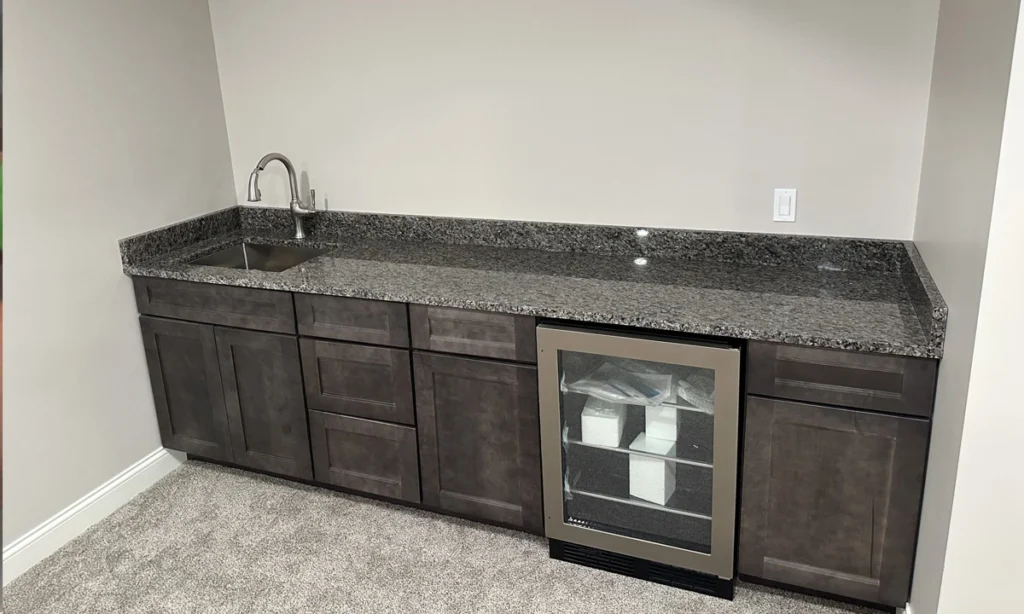
Stone countertops have become synonymous with luxury, durability, and luxury in modern kitchens and bathrooms. Maintenance is an important consideration when choosing stone countertops. In this comprehensive guide, we’ll examine the most popular stone countertops to determine which ones are easiest to maintain and provide insights to help you make an informed decision.
Types of Stone Countertops
Granite Countertops
Granite is one of the most popular choices for stone countertops. It is renowned for its durability, heat resistance, and stunning appearance. Granite countertops are available in various colours and patterns, making them versatile for any kitchen or bathroom decor.
Marble Countertops
Marble countertops exude elegance and timeless beauty. They are a favourite for those seeking a luxurious look. Marble is known for its unique veining and wide range of colours. However, it is softer and more porous than other stones, making maintenance more challenging.
Quartz Countertops
Quartz countertops are engineered stone products composed of quartz crystals and resin. They offer the beauty of natural stone with enhanced durability. Quartz countertops are available in a wide range of colours and patterns, often mimicking the appearance of granite or marble.
Soapstone Countertops
Soapstone is a natural stone known for its smooth, matte finish and deep, rich colours. It is highly resistant to heat and stains, making it an excellent choice for kitchen countertops. Over time, soapstone develops a unique patina, adding to its charm.
Slate Countertops
Slate countertops are prized for their unique texture and earthy colours. They are highly durable and resistant to heat and stains. Slate is less common than other stone countertops but offers a distinct look that can complement rustic or modern designs.
Limestone Countertops
Limestone countertops are characterised by their soft, natural look. They are available in subtle, earthy tones that can add warmth to any space. However, limestone is more porous than other stones and susceptible to staining and scratching.
Maintenance Considerations for Stone Countertops
When evaluating the maintenance requirements of different stone countertops, several factors come into play:
- More porous stones require frequent sealing to prevent stains and damage.
- Softer stones are more prone to scratches and chips.
- Some rocks are more resistant to stains and discolouration.
- Stones that withstand high temperatures are ideal for kitchen use.
- Ease of cleaning and the type of cleaners required can vary between rocks.
Detailed Comparison of Stone Countertop Maintenance
Granite Countertops
Pros:
- Granite is highly durable and resistant to scratches and heat.
- When adequately sealed, granite is highly resistant to stains and bacteria.
- There is a wide range of colours and patterns.
Cons:
- Requires periodic sealing to maintain its stain resistance.
- Granite is heavy and may require reinforced cabinetry.
Maintenance Tips:
- Seal granite countertops once a year.
- Clean with mild soap and water.
- Avoid harsh chemicals and abrasive cleaners.
Marble Countertops
Pros:
- Unique veining and luxurious appearance.
- Resists heat well but should be protected from extreme temperatures.
Cons:
- Prone to staining and etching from acidic substances.
- More susceptible to scratches and chips.
Maintenance Tips:
- Seal marble countertops every 3-6 months.
- Use pH-neutral cleaners and avoid acidic substances.
- Use trivets and cutting boards to prevent damage.
Quartz Countertops
Pros:
- It does not require sealing and is highly resistant to stains.
- Resistant to scratches, chips, and heat.
- Easy to clean with just soap and water.
Cons:
- Prolonged exposure to sunlight can cause discolouration.
- While versatile, it lacks the natural uniqueness of stones like granite and marble.
Maintenance Tips:
- Clean with mild soap and water.
- Avoid harsh chemicals and abrasive pads.
- Use trivets for hot pots and pans.
Slate Countertops
Pros:
- Resistant to heat, stains, and scratches.
- Distinctive look with a natural texture.
Cons:
- Fewer colour options compared to other stones.
- It can chip or crack under heavy impact.
Maintenance Tips:
- Seal slate countertops every 6-12 months.
- Clean with mild soap and water.
- Avoid dragging heavy objects across the surface.
Limestone Countertops
Pros:
- Soft, earthy tones and natural appearance.
- Handles moderate heat well.
Cons:
- Highly porous and prone to staining.
- Susceptible to scratches and acid etching.
Maintenance Tips:
- Seal limestone countertops every 3-6 months.
- Use pH-neutral cleaners and avoid acidic substances.
- Use trivets and cutting boards to protect the surface.
Conclusion:
After a detailed analysis of the maintenance requirements for various stone countertops, quartz countertops emerge as the easiest to maintain. Their non-porous nature, resistance to stains and scratches, and minimal need for sealing make them an ideal choice for those seeking low-maintenance elegance.
