
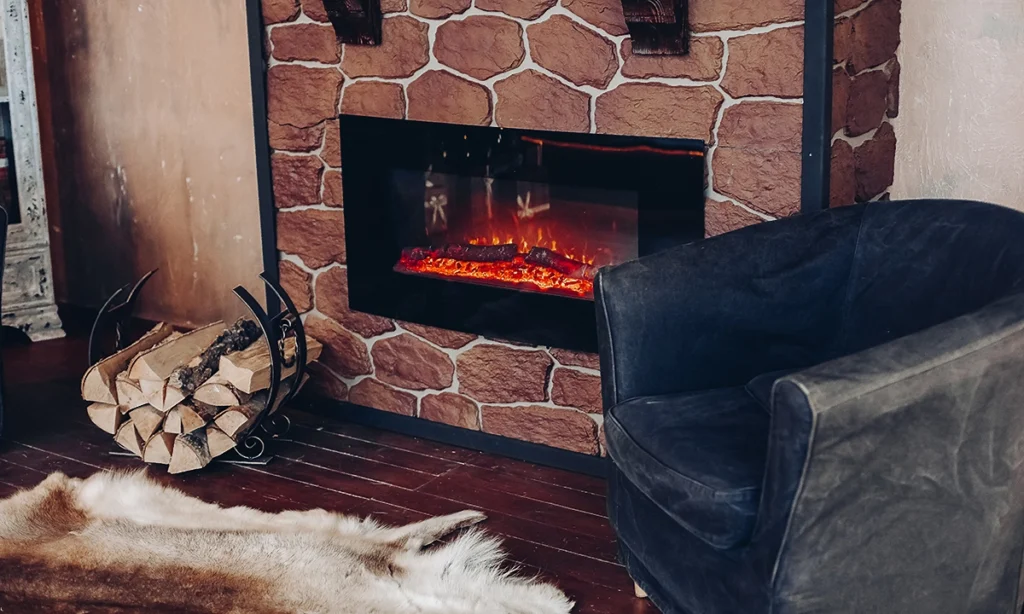
The Best Stone for Fireplace Surround is often the heart of the home, creating a warm and inviting atmosphere. However, the decorated area around the fireplace, which mimics the firebox, is essential in supporting your design and enhancing the overall atmosphere. Many factors come into play when choosing a stone for your fireplace surroundings – heat resistance, durability, aesthetics, and maintenance. This comprehensive guide explores the most popular Fireplace stone options to help you make an informed decision:
1- Granite: Among the most durable materials
Granite is a popular choice for fireplace surrounds due to its remarkable durability and resistance to heat. Formed from volcanic activity, granite is one of the hardest natural stones, making it resistant to scratches, chips, and stains. Its ability to withstand high temperatures makes it an ideal material for areas exposed to intense heat.
Granite has various colors and patterns, ranging from subtle earth tones to bold, striking hues. This variety allows homeowners to select a granite type that complements their interior design. Additionally, the natural veining and granite speckles can add elegance and uniqueness to your fireplace.
2- Marble: The classic beauty of timelessness
Marble has been synonymous with luxury and elegance for centuries. Its smooth, polished surface and subtle veining make it a classic choice for those seeking a sophisticated look. Marble is formed from limestone subjected to intense heat and pressure, giving it distinctive veining and color variations.
While marble is undeniably beautiful, it is also more susceptible to scratches and stains than granite. Therefore, it requires regular maintenance and sealing to preserve its pristine appearance. For homeowners who value aesthetics and are willing to invest in upkeep, marble can be an exquisite choice for a fireplace surround.
3- Limestone: Natural Warmth and Texture
Limestone offers a natural, earthy appeal that can create a warm and inviting atmosphere in any room. It is a sedimentary rock composed mainly of skeletal fragments of marine organisms such as coral and shells. Limestone is available in various colors, from light beige to deep brown, allowing it to blend seamlessly with different interior styles.
One of limestone’s key benefits is its soft texture and matte finish, which add a touch of rustic charm. However, limestone is softer than granite and marble, making it more prone to scratches and chips. It also requires regular sealing to protect it from stains and moisture.
4- Slate: Rustic and Durable
Slate is known for its rugged durability and distinctive layered appearance. This metamorphic rock is formed from shale subjected to heat and pressure, resulting in a fine-grained, foliated structure. Slate is available in various colors, including shades of gray, green, black, and red.
The natural cleft surface of the slate provides a rustic, textured look that is perfect for creating a cozy, country-style ambiance. Its durability and resistance to heat make it a practical choice for a fireplace surround. Slate is also low-maintenance, requiring minimal sealing and upkeep.
5- Soapstone: Soft and Smooth
Soapstone is a unique option for fireplace surrounds due to its soft, smooth texture and heat-retentive properties. This metamorphic rock is composed primarily of talc, which gives it a soft, soapy feel. Soapstone is typically dark gray or black with subtle veining, making it a versatile choice for various design aesthetics.
One of the standout features of soapstone is its ability to absorb and radiate heat, making it an excellent material for maintaining a warm and cozy environment. It is also highly resistant to stains and chemicals, though it can scratch more easily than harder stones. Regular oiling can enhance its natural patina and darken its color over time.
6- Travertine: Distinctive Patterns and Rich Textures
Travertine is a type of limestone deposited by minerals and hot springs. Its unique, porous texture and distinctive patterns of concentric or parallel lines characterize it. Travertine comes in various earthy tones, including beige, brown, and gold, which can add a rich, natural look to your fireplace.
While travertine’s porous nature gives it a unique appearance, it also requires sealing to protect against stains and moisture. It is slightly softer than other stones like granite and marble, so it needs to be handled with care to avoid scratches and chips.
7- Fieldstone: Natural and Rustic Appeal
Fieldstone refers to stones collected from fields or sourced from quarries and used in their natural state. It is often used to create a rustic, natural look with various shapes, sizes, and colors. Fieldstone can include granite, limestone, and sandstone, providing a diverse range of textures and hues.
The irregular shapes and rough textures of fieldstone can create a visually striking and authentically rustic fireplace surround. It is a durable option that requires minimal maintenance, making it a practical choice for those looking to achieve a natural, earthy aesthetic.
8- Quartzite: The Look of Marble with Granite’s Durability
Quartzite is a metamorphic rock that originates as sandstone. It transforms heat and pressure to become incredibly hard and dense. Quartzite’s appearance is similar to marble, with beautiful veining and a crystalline sparkle, but it boasts the durability of granite.
Quartzite is resistant to heat, scratches, and stains, making it ideal for a fireplace surround. It requires less maintenance than marble and offers a similar luxurious look, making it an attractive option for homeowners seeking beauty and resilience.
9- Sandstone: Subtle Beauty and Versatility
Sandstone is a sedimentary rock composed mainly of sand-sized mineral particles or rock fragments. It is known for its subtle beauty and versatility, with colors ranging from light beige to rich reds and browns. Sandstone’s natural grainy texture can add a unique visual interest to a fireplace surround.
While sandstone is relatively soft compared to other stones, it is durable enough to withstand the heat of a fireplace. Regular sealing is necessary to protect it from stains and moisture. Its versatile appearance suits various design styles, from rustic to contemporary.
Conclusion:
Selecting the best stone for your fireplace surround is a decision that balances aesthetics, durability, heat resistance, and maintenance. Each stone type offers unique qualities that can enhance the ambiance and style of your home.
Granite impresses with its exceptional durability and variety of colors, making it a versatile choice for any decor. Marble offers timeless elegance, perfect for those who invest in its maintenance to preserve its luxurious look. Limestone brings natural warmth and a rustic charm, ideal for creating a cozy atmosphere. Slate provides rugged durability and a textured, rustic appearance, suitable for a country-style ambiance. Soapstone stands out with its smooth texture and excellent heat retention, perfect for a warm and cozy environment.
Travertine features distinctive patterns and rich textures, adding a unique, earthy appeal. Fieldstone delivers a natural, rustic look with its irregular shapes and rough textures, requiring minimal maintenance. Quartzite combines the look of marble with the durability of granite, offering both beauty and resilience. Sandstone offers subtle beauty and versatility, making it suitable for various design styles.
By understanding the characteristics of each stone, you can make an informed choice that complements your home’s design and meets your functional needs. Whether you prefer the classic