

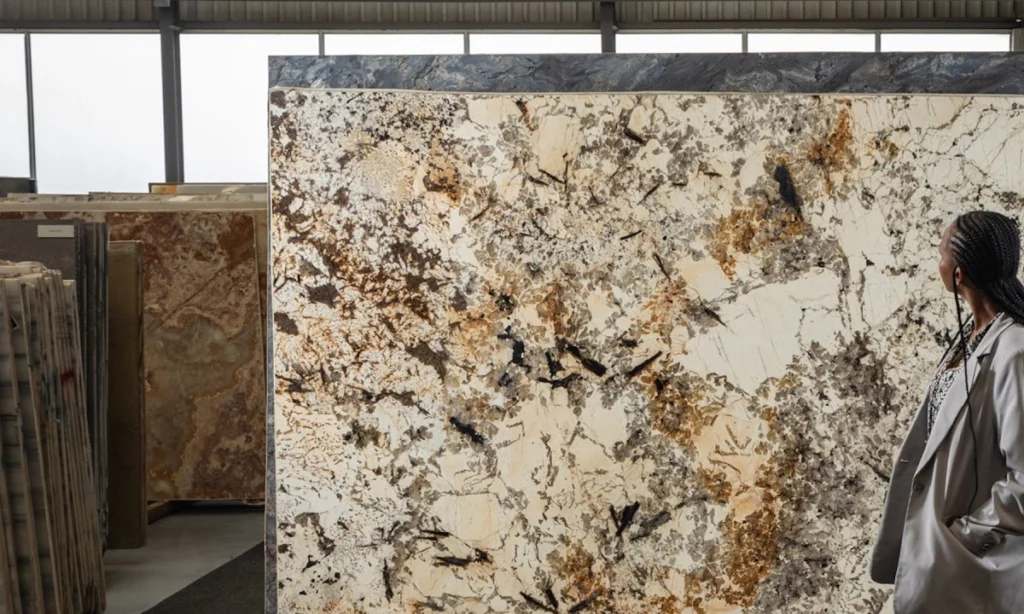
History of marble and granite have played pivotal roles in architecture for millennia, revered for their durability, aesthetic appeal, and versatility. These natural stones have been integral to the construction of iconic monuments, structures, and buildings throughout history. This article delves into the origins and historical use of granite and marble in architecture, tracing their journey from ancient quarries to modern-day marvels.
Ancient Beginnings
Marble: The Stone of the Gods
Marble has been treasured since antiquity, often associated with luxury and divine beauty. The earliest known use of marble dates back to ancient marble architecture and Egypt, where it was employed in the construction of temples and monuments. However, it was the ancient Greeks who truly elevated marble to an art form.
The Greeks sourced their marble from the islands of Paros and Naxos, among others, and used it extensively in their architectural endeavors. The Parthenon, constructed in the 5th century BCE, stands as a testament to the Greeks’ mastery of marble. This iconic structure, built from Pentelic marble, showcases the stone’s luminous quality and fine grain, which allowed for intricate carvings and detailed sculptures.
Marble was not only a building material but also a medium for artists like Phidias, who created the statue of Athena Parthenos. The Greeks believed that marble possessed a divine essence, and its use in temples and sculptures reflected their reverence for the gods.
Granite: The Stone of Endurance
Granite, with its robust and resilient nature, has also been used since ancient times. The ancient Egyptians were among the first to harness the power of granite, quarrying it from Aswan to build enduring monuments. The most notable example is the Great Pyramid of Giza, where granite was used for the inner chambers and the King’s Chamber. The Egyptians’ ability to work with such a hard stone is a testament to their advanced engineering skills.
Granite’s durability made it an ideal choice for structures that require longevity. The stone’s resistance to weathering and erosion ensured that monuments built from granite could withstand the test of time. This quality was crucial for the Egyptians, who sought to create lasting legacies through their architectural achievements.
The Roman Empire: Expanding Horizons
Marble in Roman Architecture
The Romans, influenced by Greek marble, expanded their empire’s use, sourcing it from Italy’s Carrara. The Pantheon, built during Emperor Hadrian’s reign, showcases Roman marble architecture. They also pioneered colored marble, importing stones from Egypt, Asia Minor, and North Africa. Roman marble sculptures showcased its versatility and artistry, reflecting the empire’s wealth, power, and beauty.
Granite in Roman Engineering
Granite was equally significant in Roman engineering, used for structures requiring immense strength and durability. The Romans constructed bridges, aqueducts, and public buildings with granite, showcasing their mastery of the material. The Pont du Gard in France, an ancient Roman aqueduct, stands as a remarkable example of granite’s enduring strength and the
engineering prowess of the Romans.
The Romans also employed granite in monumental architecture, such as the columns of the Pantheon and the obelisks transported from Egypt. These structures highlighted the Romans’ ability to manipulate and transport massive granite blocks, demonstrating their advanced engineering capabilities.
Medieval and Renaissance Revival
Marble in the Middle Ages and Renaissance
During the Middle Ages, marble was used in religious architecture, particularly in cathedrals and churches. The Renaissance saw a revival of classical architecture and the rediscovery of marble’s aesthetic potential. Artists like Michelangelo revered marble’s ability to capture human form, and architects like Brunelleschi and Alberti incorporated it into their designs, symbolizing a return to antiquity.Granite in Medieval and Renaissance Construction
Granite’s use persisted through the Middle Ages and the Renaissance, particularly in the construction of fortresses and cathedrals. The Cathedral of Santiago de Compostela in Spain, built with granite, is a testament to the stone’s enduring appeal. Granite’s resilience made it an ideal material for structures that needed to withstand both time and conflict.
In the Renaissance, granite was also employed in urban infrastructure, such as bridges and public buildings. The use of granite in city planning and construction demonstrated its practical applications and the architects’ ability to harness its strength.
Modern Architecture: A Fusion of Tradition and Innovation
Marble in Contemporary Design
In modern architecture, marble remains a symbol of luxury and sophistication. Architects and designers continue to use marble for its aesthetic appeal and versatility. The use of marble in contemporary buildings, such as the Getty Center in Los Angeles, exemplifies the stone’s ability to create timeless and elegant spaces.
Advancements in technology have also expanded the applications of marble. CNC (computer numerical control) machines allow for precise and intricate carvings, enabling architects to push the boundaries of design. Marble’s natural variations in color and veining add a unique character to each project, making it a preferred choice for bespoke designs.
Marble is also used in modern interior design, from countertops and flooring to wall cladding and furniture. The stone’s ability to elevate the aesthetic of any space has ensured its continued popularity in contemporary architecture.
Granite in Modern Construction
Granite’s durability and strength make it a staple in modern construction. Skyscrapers, such as the Willis Tower in Chicago, utilize granite for their façades, ensuring both aesthetic appeal and structural integrity. Granite’s resistance to weathering and environmental factors makes it an ideal material for exterior cladding in urban environments.
In addition to its use in high-rise buildings, granite is employed in public infrastructure projects, such as bridges, tunnels, and monuments. The Vietnam Veterans Memorial in Washington, D.C., crafted from black granite, is a poignant example of the stone’s use in modern memorial architecture.
Granite’s versatility also extends to interior design, where it is used for countertops, flooring, and decorative features. The stone’s natural beauty and wide range of colors make it a popular choice for both residential and commercial spaces.
The Environmental Impact and Future of Marble and Granite
Sustainability and Ethical Sourcing
The growing demand for marble and granite necessitates sustainable sourcing practices, minimizing environmental impacts through responsible quarrying and innovative technologies. Recycling and repurposing are also gaining popularity, promoting sustainability and attracting architects and designers.
Innovations and Future Trends
Technological advancements and design trends are shaping the future of marble and granite in architecture. Innovative techniques, digital tools, and sustainable practices like recycled stone and environmentally friendly adhesives are transforming the fusion of tradition and innovation.
Conclusion
Marble and granite have a long and varied history in building, dating back to the time of ancient civilizations and contemporary wonders. These organic stones have long been valued for their aesthetic appeal, robustness, and adaptability, making them timeless representations of human ingenuity and success. The difficulty for us going forward is striking an agreement between the ageless allure of granite and marble and the requirement for ethical and sustainable business methods. We can continue to commemorate and make use of these extraordinary stones in ways that respect their history and secure their future by embracing innovation and sustainability.
