
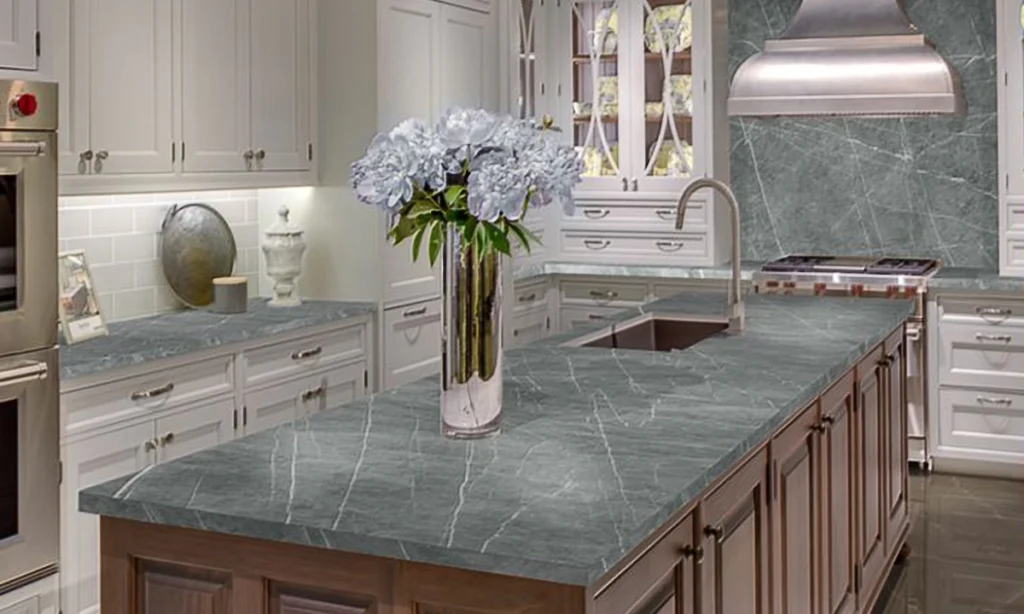
The unique combination of durability, aesthetic appeal, and versatility of Neolith worktops is revolutionizing the interior design industry. As a type of sintered stone, Neolith was created through an advanced technological process that compacted raw materials under high pressure and temperature. This process results in an ultra-compact surface that is resistant to scratches, stains, and extreme temperatures. In this comprehensive guide, we delve into the myriad benefits of Neolith worktops, their installation process, maintenance tips, and why they are an excellent choice for both residential and commercial spaces. In this comprehensive guide, we explore the myriad benefits of neolith stone roofs, how to install them, maintenance tips, and why they are the best choice for areas that they stay in all his business.
Neolith Stone Composition
Neolith isn’t your typical worktop material. It’s a pioneering product in the category of Sintered Stone Surfaces (SSS). Here’s an analysis of what makes Neolith unlike any other:
A Blend of Natural Materials: Neolith is made by combining natural minerals like quartz, feldspar, and recycled materials. This unique blend undergoes a high-pressure, high-temperature sintering process, resulting in a remarkably dense and robust material.
Unmatched Performance: This innovative manufacturing process imbues Neolith with a range of exceptional properties, making it a compelling choice for demanding applications.
Advantages of Neolith Worktops
Neolith isn’t just about aesthetics; it’s a powerhouse of performance, offering a multitude of benefits for your home:
- Neolith boasts exceptional resistance to scratches, chips, and cracks. It can withstand the everyday wear and tear of a busy kitchen or bathroom with ease.
- Unlike many natural stones, Neolith exhibits remarkable heat resistance. You can place hot pots and pans directly on the surface without worry of scorching.
- Neolith’s non-porous nature makes it impervious to stains from spills and chemicals commonly used in kitchens and bathrooms.
- Neolith’s non-porous surface inhibits bacterial growth, promoting a hygienic environment for food preparation areas.
- Neolith maintains its stunning colors even when exposed to direct sunlight, making it a perfect choice for outdoor kitchens or areas with large windows.
- Neolith’s resistance to freezing temperatures allows for its use in outdoor applications, even in harsh weather conditions.
- Maintaining the Neolith’s beauty is effortless. Regular cleaning with mild soap and water keeps it looking pristine, and no sealing is required!
- Despite its remarkable strength, Neolith is surprisingly lightweight. It makes it easier to handle during installation and reduces the burden on cabinets and support structures.
- Neolith is available in large-format slabs, minimizing the need for visible seams and creating a clean and visually uninterrupted aesthetic.
- Neolith’s applications extend beyond worktops. It can be used for wall cladding, flooring, shower trays, furniture, and even outdoor facades, offering a cohesive design element throughout your home.
Installation Process
Worktops made from Neolith require precision and expertise during installation. Here is a step-by-step overview of the installation process:
Site Preparation
The area should be thoroughly cleaned prior to installation. This includes emphasizing the flatness and alignment of the base molds to support the weight of the new stones.
Template Creation
Factory dimensions are precisely designed to ensure a perfect fit. This template accounts for any cuts needed for sinks, cooktops, and other fixtures.
Cutting and Fabrication
The Neolith slabs are sized according to the blueprint using sophisticated cutting instruments. Finishing touches are applied, and any necessary incisions are carefully made to prevent chipping or cracking.
Dry Fitting and Adjustments
The prefabricated slabs are dry-fitted on location to guarantee a flawless fit. At this point, any required modifications are performed to ensure a flawless installation.
Final Installation
Next, a high-strength glue is used to install the Neolith slabs permanently. The stones are meticulously leveled and precisely placed, and joints are filled and sealed to produce a seamless surface.
Applications Beyond the Kitchen
While Neolith worktops are most commonly associated with kitchens, their versatility extends far beyond this space.
Bathroom Vanities
Neolith countertops are a great material for countertops and bathroom vanities because of its water resistance and ease of cleaning. The material’s aesthetic diversity makes stunning, personalised bathroom designs possible.
Commercial Spaces
Neolith worktops are also perfect for commercial uses, like bar tops, reception desks and restaurant tables. Because of their resilience to wear and tear and durability, they can endure the rigours of high-traffic settings.
Outdoor Kitchens and Barbecues
Neolith is ideal for outdoor kitchens and BBQ areas because it is resistant to UV light and can tolerate high temperatures. Even in the presence of external factors, the material will keep its colour and integrity.
Conclusion
Neolith worktops offer a unique combination of durability, aesthetic appeal, and environmental sustainability. Their resistance to scratches, heat, and chemicals, along with their wide range of colors and finishes, make them a versatile choice for any design project. Whether used in kitchens, bathrooms, or commercial spaces, Neolith worktops provide a practical and stylish solution that stands the test of time.