

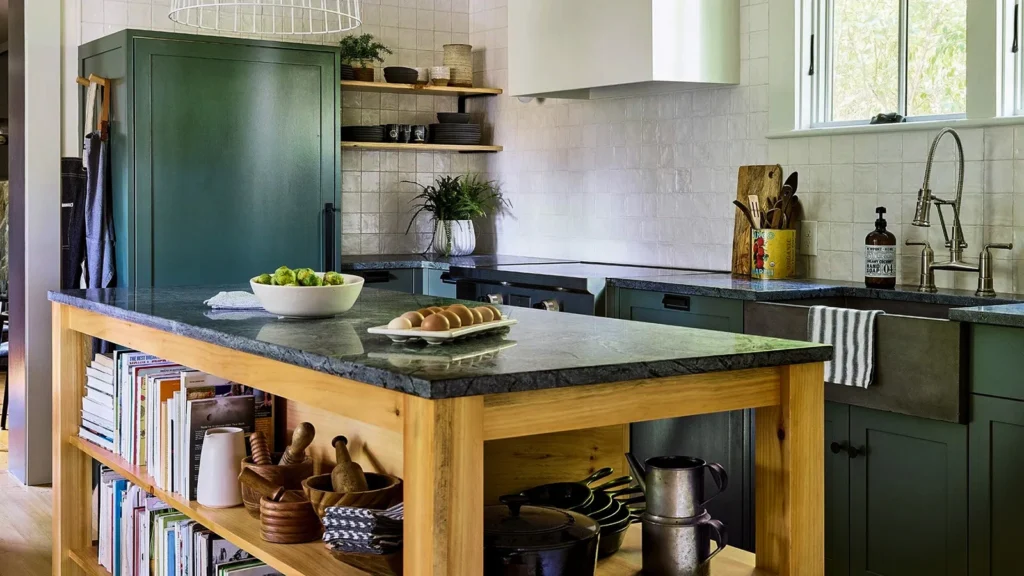
It’s important to choose kitchen countertops that blend durability, style, and usefulness for your family. The ideal countertop fits your family’s needs and lifestyle in addition to improving the appearance of your kitchen overall. Choosing the right countertop for your family goes beyond aesthetics; it’s about functionality, durability, and creating a space that reflects your lifestyle. To assist you in making an informed choice, we will explore a variety of important criteria, material possibilities, and maintenance advice in this extensive guide.
An exploration of popular countertop options for families
The world of kitchen countertops offers a diverse range of materials, each with its strengths and weaknesses. Here’s a breakdown of some popular options to consider for your kitchen:
- Granite: A classic, granite offers unmatched beauty and durability. It’s heat-resistant and relatively scratch-resistant, making it a good choice for busy families. However, granite requires periodic sealing and can be susceptible to staining if liquids are left to sit.
- Quartz: Engineered quartz is a popular choice for its non-porous nature, making it stain and bacteria-resistant – ideal for families with young children. Quartz offers a vast array of colors and patterns, allowing for stylish customization. While resistant to scratches, very hot cookware can leave marks on quartz countertops.
- Laminate: A budget-friendly option, laminate countertops offer a variety of colors and styles to mimic natural stone. However, laminate is not heat-resistant and can be prone to scratches and dents. Its lifespan is generally shorter compared to other materials.
- Solid Surface: This man-made material offers a seamless look and is known for its non-porous, stain-resistant properties. Solid surfaces can be repaired if scratched or chipped, making it a good choice for families with active kitchens.
Beyond the Material: Additional Factors to Consider
While material selection is crucial, other factors contribute to a family-friendly countertop experience:
- Edge Profile: Consider rounded or bullnose edges for a safer option in kitchens with young children. Sharp corners can pose a risk.
- Color and Pattern: For high-traffic areas, lighter colors or patterns can help camouflage minor spills and wear.
- Maintenance Needs: Busy families might prioritize a low-maintenance countertop material that requires minimal cleaning and upkeep.
- Seamless Integration: Choose a countertop material and color that complements your existing cabinets, backsplash, and flooring for a cohesive kitchen design.
A durable and maintenance-friendly approach
Heat Resistance
Take into account the material’s heat resistance, particularly if you frequently set hot pans and pots right on the countertop. Quartz and laminate may require additional protection, other materials like granite and marble are naturally resistant to heat.
Stain Resistance
Picking a material that would not stain is essential because kitchens are notorious for spills. While non-porous materials like quartz and stainless steel are stain-resistant, materials like marble and concrete require frequent sealing to keep their resistance.
Scratch Resistance
Scratch resistance is an important factor for families that use their countertops heavily. Granite and quartz are highly scratch-resistant, while softer materials like marble and laminate may show wear more easily.
Maintenance Requirements
Sealing and Oiling
Some materials, such as granite, marble, and butcher block, require regular sealing or oiling to maintain their appearance and durability. Its ongoing maintenance should be factored into your decision.
Cleaning Practices
Different materials require different cleaning methods. For instance, quartz can be cleaned with mild soap and water, while butcher block countertops need gentle cleaning and periodic oiling to prevent drying and cracking.
Repair and Longevity
Consider the ease of repairing any damage to the countertop. For example, butcher blocks can be sanded down to remove scratches, while cracked concrete might need professional repair. Evaluate the overall longevity of the material to ensure it meets your long-term needs.
Making the Final Decision
Comparing Samples
Before making a final decision, it is advisable to compare samples of different materials. It can help you visualize how each option will look in your kitchen countertops and allow you to feel the texture and quality of the materials.
Consulting Professionals
Seeking advice from kitchen designers or countertop professionals can provide valuable insights. They can offer suggestions based on your specific needs, budget, and design preferences.
Installation Considerations
Ensure that experienced professionals handle the installation process to avoid issues such as improper sealing or uneven surfaces. Proper installation is crucial for the longevity and functionality of your countertop.
Environmental Impact
For eco-conscious families, consider the environmental impact of the materials. Recycled glass, reclaimed wood, and other sustainable options can provide a green alternative without sacrificing style or durability.
Final Thoughts
Selecting Kitchen Countertops for your kitchen is an important choice that affects its appearance and usefulness. You may choose a material that will last for years by researching the benefits and drawbacks of various options, keeping your family’s needs in mind, and taking money, upkeep, and style into account. The appropriate countertop may improve the appearance and functionality of your kitchen, making it the focal point of your house, whether you choose the opulent appeal of marble, the dependability of quartz, or the affordability of laminate.
