

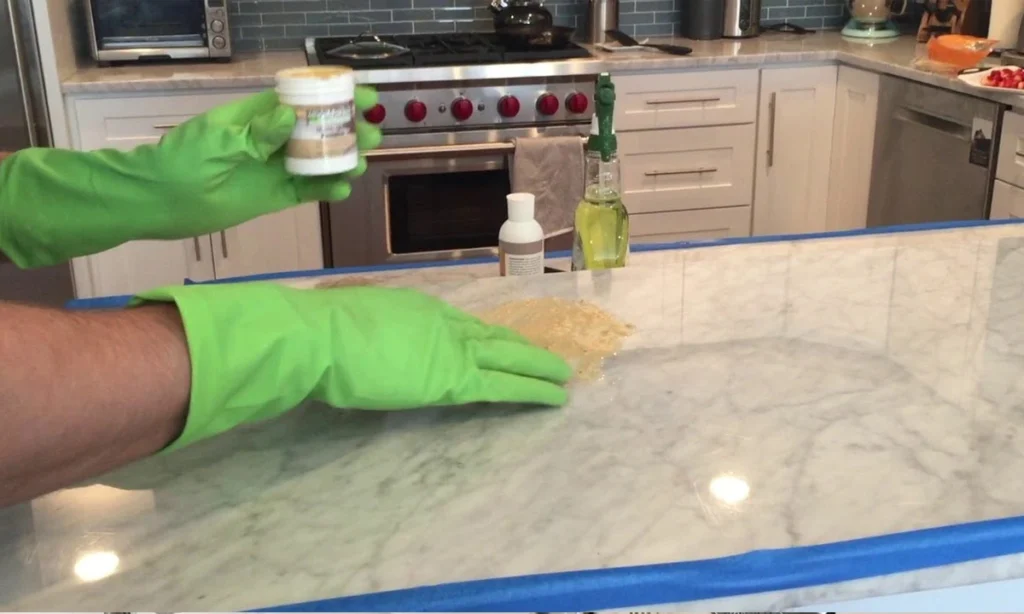
Marble countertops are renowned for their elegance and timeless appeal. However, maintaining their pristine condition requires regular care and occasional polishing to restore their natural shine and beauty. Polishing marble countertops can seem daunting, but with the right tools and techniques, it’s a task you can accomplish at home. This comprehensive guide will walk you through the polishing process step-by-step.
Understanding Marble
Before starting the polishing process, it’s essential to understand marble and why it requires special care. Marble is a metamorphic rock composed mainly of calcite, a form of calcium carbonate. It is softer and more porous than other natural stones like granite, making it susceptible to scratches, stains, and etching from acidic substances. These characteristics mean polishing marble requires a gentle approach to avoid further damage.
Tools and Materials Needed
To polish your marble countertops, you will need the following tools and materials:
- Mild Dish Soap: This is used to clean the surface.
- Warm Water: To rinse off soap residue.
- Microfiber Cloths: For drying and buffing.
- Marble Polishing Powder: Specifically designed for marble surfaces.
- Polishing Pads or Soft Buffing Pads: To apply the polishing powder.
- Electric Polisher (Optional): For a more efficient polishing process.
- Protective Gear: Gloves and safety goggles to protect yourself from dust and debris.
Step-by-Step Guide to Polishing Marble Countertops
Step 1: Clean the Surface
Start by thoroughly cleaning the marble countertop to remove dirt, grime, or stains. Mix a few drops of mild dish soap with warm water in a bucket. Dip a soft cloth or sponge into the soapy water and gently scrub the countertop. Avoid using abrasive cleaners or scrubbers as they can scratch the marble surface.
After cleaning, rinse the countertop with clean water to remove any soap residue. Use a clean, dry microfiber cloth to wipe the surface dry.
Step 2: Remove Stains
If there are any stubborn stains on your marble countertop, you may need to use a poultice to draw them out. A poultice is a paste made from a solvent (like hydrogen peroxide) and a white absorbent material (like baking soda). Apply the poultice to the stained area, cover it with plastic wrap, and let it sit for 24-48 hours. Afterward, remove the poultice and rinse the area with water.
Step 3: Prepare the Polishing Powder
Marble polishing powder is specifically formulated to restore the shine and luster of marble surfaces. Follow the manufacturer’s instructions to mix the polishing powder with water to form a paste. The consistency should be similar to that of toothpaste.
Step 4: Apply the Polishing Powder
Dampen the surface of the marble with a little water. Apply a small amount of the polishing powder paste to the area you want to polish. It’s best to polish small sections simultaneously to ensure even results if you’re working on a large countertop.
Step 5: Polish the Marble
Work the polishing powder into the marble surface using a soft buffing pad or an electric polisher with a soft pad attachment. Move the pad in small, circular motions, applying gentle pressure. Keep an electric polisher at a low speed to avoid overheating and damaging the marble.
Continue polishing until you see the marble begin to shine. Depending on the level of dullness and the type of marble, this process may take several minutes per section.
Step 6: Wipe and Inspect
After polishing:
- Use a clean, damp microfiber cloth to remove any remaining polishing powder residue.
- Dry the countertop with another clean cloth.
- Inspect the surface to ensure an even polish and check for missed spots.
- If necessary, repeat the polishing process in areas that need more attention.
Step 7: Seal the Marble (Optional but Recommended)
Sealing your marble countertop is an optional but highly recommended step. A quality marble sealer will protect the surface from stains and etching. Follow the manufacturer’s instructions to apply the sealer evenly over the polished marble. Typically, you’ll need to let the sealer sit for a specified amount before buffing it off with a clean cloth.
Popular Brands and Options
Silestone
Silestone is a leading brand in quartz composite worktops, known for its extensive color palette and superior durability. Their surfaces are also equipped with bacteriostatic protection, making them a hygienic choice for kitchens.
Caesarstone
Caesarstone offers a wide range of quartz worktops that combine aesthetic appeal with practical functionality. Their products are renowned for their consistency in quality and innovative designs.
Corian
Corian by DuPont is a well-established name in solid surface worktops. Their Polishing products are celebrated for their seamless appearance and versatility in design. Corian worktops can be customized with integrated sinks and backsplashes for a cohesive look.
Vetrazzo
Vetrazzo specializes in recycled glass composite worktops, offering eco-conscious homeowners a unique and sustainable option. Their surfaces are not only beautiful but also contribute to environmental conservation.
