

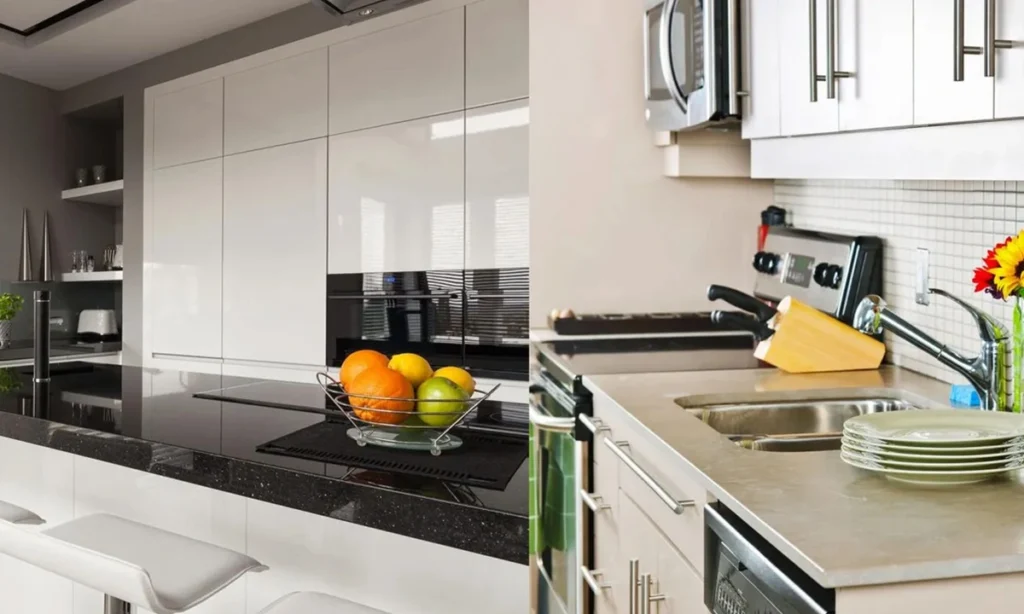
Granite countertop resealing frequency is influenced by various factors, including the type of sealer applied, wear and tear, and liquid exposure. Periodic sealing guarantees durability and visual attractiveness. Determining when to reseal requires testing the current sealant’s effectiveness. To maintain granite countertops for many years, follow these recommendations and use the appropriate supplies. Resealing offers advantages like stain and damage resistance. You may successfully maintain your granite worktops’ aesthetic appeal and use them for many years by following instructions.
Why Should You Seal Your Granite Worktops?
The porous nature of granite can make it susceptible to staining if spills are not promptly cleaned up. However, sealing the surface of granite helps to create a protective barrier against moisture and stains, enhancing its overall durability and longevity. This extra layer of protection is especially beneficial for maintaining the beauty and quality of all types of granite, regardless of their individual density and resistance levels.
This is why it’s so important to seal your granite countertops:
Stops Staining:
Sealers function as a barrier, repelling liquids like wine, coffee, and oil. This keeps them from soaking into the stone and leaving behind long-lasting stains.
Increased Durability:
Etching, or the dull areas that can result from acidic substances like citrus juices or vinegar, can be reduced with sealers.
Streamlined Cleaning:
Sealing surfaces act as a barrier to keep spills from seeping into deeper layers, which improves the effectiveness and efficiency of cleanup. This can be especially helpful in places that see a lot of traffic or accidents. Sealed surfaces lessen the possibility of damage or staining by forming a protective layer, therefore increasing the material’s lifespan. All things considered, the sealing procedure not only makes the surface more aesthetically pleasing but also increases its longevity and simplicity of maintenance.
Knowing Granite and Why Granite Sealing Is Necessary
Granite is a naturally occurring stone that mostly consists of quartz and feldspar, with a few other minerals mixed in. Because of its porous nature, liquids, and stains can seep in if proper sealing isn’t done. By sealing granite countertops care, you may extend their lifespan and preserve their aesthetic by establishing a barrier that keeps materials from soaking through.
Impacting Granite Countertop Sealing Frequency
Granite Type:
- Porous granites require more frequent maintenance; denser granites require less sealing.
- Light-colored granites might require further sealing.
Initial Sealant Quality:
- Superior sealants offer long-term protection, whereas inferior sealants could need more frequent reapplications.
Usage and Wear:
- Regular usage of kitchen worktops requires further sealing.
Cleaning Supplies:
- Acidic and harsh chemicals might erode the sealant.
- The efficacy of sealants can be preserved with pH-neutral cleansers.
Environmental Factors:
- Heat, humidity, and exposure to sunshine all impact how long sealants last.
General Guidelines for Resealing
Every 1 to 3 years, you should reseal your granite countertops to maintain their quality and effectiveness. However, factors like sealer type, granite use, and characteristics can influence the frequency. Regular inspections can help determine if resealing is needed sooner, preserving the granite’s beauty and durability for years.
Maintenance of Granite Sealant
Annual inspection:
- Use a water test to determine the condition of the sealant.
High-use areas:
- To prevent stains and damage, reseal more frequently.
Low-use areas:
- Reapply sealant to bathrooms and decorative surfaces every two to three years.
Advantages of Granite Countertop Resealing
Granite countertops that are regularly resealed retain their natural beauty, increase their longevity, and inhibit the formation of mold and bacteria. It produces a layer of defense against spills and stains, fostering a healthier kitchen atmosphere. Resealing can save future repair or replacement costs, both in terms of time and money:
Protection Against Stains:
- Granite sealing primarily serves to keep it stain-free. A properly sealed stone keeps oils, water, and other substances from getting in and causing harm or discoloration.
Increased Lifespan:
- Granite countertops that have been sealed will retain their aesthetic appeal and structural soundness for many years to come, avoiding the need for expensive maintenance or replacements.
Cleaning Ease:
- Granite countertops with sealing make cleanup and upkeep simpler. By producing a smooth surface that deters liquids and debris, the sealant improves everyday cleaning efficiency while requiring less work.
Maintaining Appearance:
- Frequent resealing keeps the countertop looking fresh and vibrant while preserving its original appearance. This is especially crucial for upscale and attractive stone surfaces.
How to Reseal Granite Countertops
Granite countertop refinishing is a simple task that both professionals and homeowners can complete. Here’s a detailed how-to:
Clear the Counter:
To keep stone countertops looking great and in good condition, apply a sealer to the surface of the countertop, let it set, wipe off any excess, and reapply as needed.
Select the Appropriate Sealant:
Make your choice of a premium granite sealer. Permeating sealants and surface sealants are the two primary categories. Since permeating sealants penetrate the stone and offer durable protection, they are more frequently utilized. Surface sealants have a shorter lifespan because they are applied on top of the stone.
Put the Sealant in Place:
Observe the guidelines provided by the manufacturer while applying the sealant. A clean cloth or applicator pad is used to spread the sealer uniformly over the countertop after it has been poured or sprayed. Don’t forget to cover the edges and corners of the surface as well.
Allow Sealant to Soak:
Give the sealer the prescribed amount of time—typically 15 to 30 minutes to seep into the granite. If the second coat of sealant absorbs quickly, apply another coat.
Reduce Extra Sealant:
After absorbing the sealant, use a dry and clean cloth to wipe off any excess. Make sure the surface is free of residue to avoid streaks or a hazy look.
Sand the exterior:
To ensure a consistent finish and to increase the countertop’s gloss, buff the surface with a soft cloth.
Time to Cure:
Before utilizing the countertop, allow the sealant to fully cure in accordance with the manufacturer’s directions, which typically take 24 to 48 hours.
Conclusion
If you want to keep your granite countertops functional and beautiful over time, you must understand how important it is to seal them. Various factors, such as usage, exposure to liquids, and the type of sealant, can affect how often resealing is needed. You can quickly determine whether your countertops need to be resealed by doing a straightforward water test, providing you with the information you need to safeguard your investment. Although the water test is a useful tool, consulting a stone maintenance expert can offer customized suggestions suited to your particular countertop requirements. You can greatly impact the lifetime and beauty of your granite countertops with the sealant you choose, so make sure to conduct thorough research. Your granite countertops may add years of value and aesthetic appeal to your house with proper care and upkeep, making them a timeless and wonderful focal point.
