

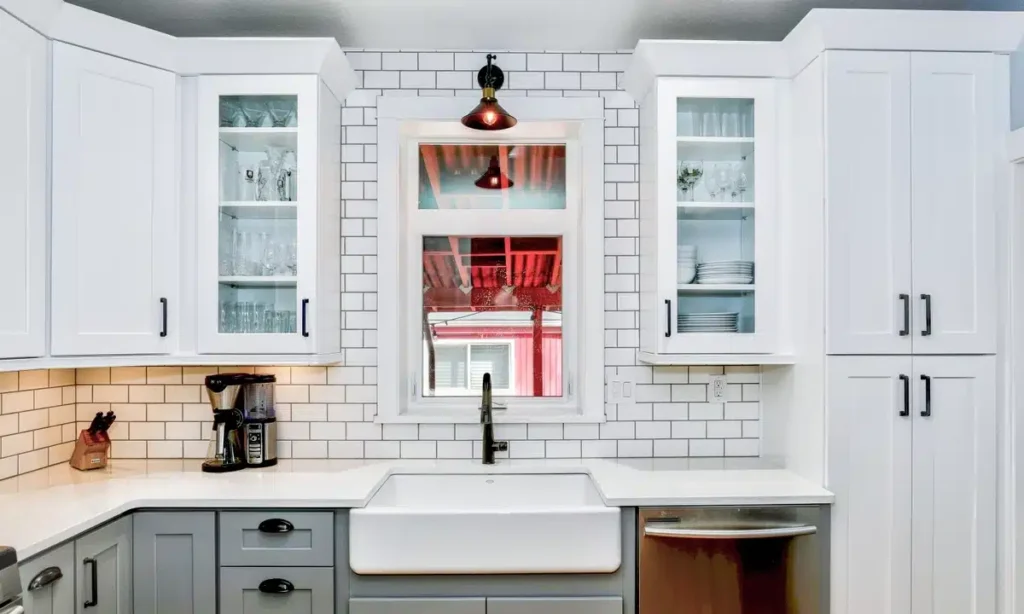
Granite is still a classic material for modern structures because it has unparalleled strength and appeal to the eye. Granite has long been acknowledged as a premium material in buildings, and it is famous for its durability, beauty, and timeless appeal. Contemporary architecture still utilizes Granite, one of the first building materials used by mankind, effectively alongside other materials. This blog examines the reasons granite is still a popular material for construction in modern structures, as well as how its special properties support creative, long-lasting designs.
Why Granite? Observing the Appeal
Granite is more than just a stone; it represents durability, strength, and style. Derived from the Earth’s crust, granite is created under great pressure and heat, giving it exceptional hardness and toughness. For architects aiming to build functional and aesthetically pleasing designs, its natural beauty is flecked with mineral differences, making it a unique and visually captivating material.
Sturdiness: Designed to Last
Granite’s unmatched durability is one of the main reasons stone is employed in modern buildings so extensively. Granite is among the hardest natural stones that can be found; its hardness is surpassed only by diamonds. It’s a perfect material for indoor and outdoor uses because of its resistance to harsh weather, heavy use, and environmental stressors.
Buildings made of granite can withstand centuries without experiencing any degradation. It is a wise investment for architects and builders because of its longevity, which lowers maintenance costs and ensures that buildings retain their structural integrity over time.
Aesthetic Flexibility: From Classic to Trendy
Granite is incredibly beautiful, coming in various hues and patterns to complement multiple architectural granite styles. Granite may be used in many different architectural styles, regardless of whether you’re going for a sleek, contemporary design or a more traditional, timeless one.
Polished granite offers a smooth, shiny surface for modern constructions that elevates simple ideas. Rough-hewn granite, on the other hand, offers a textured, organic appearance that blends in wonderfully with the surroundings and may be utilized to create more traditional or rustic designs.
Granite for Outside Uses: Sturdiness and Design
Granite is a great material for exterior uses in modern construction because of its durability. It retains its structural integrity and aesthetic appeal even under the most severe weather conditions, including freezing temperatures and prolonged periods of sun exposure.
Granite is widely utilized in contemporary construction for:
Fronts:
The polished, high-gloss surface of granite gives building exteriors a striking and elegant appearance. Because of its inherent durability, it won’t deteriorate over time, especially in metropolitan settings where other durable stone materials may be impacted by pollution and acid rain.
Covering:
Granite is a popular material for external cladding. This offers useful protection from the weather as well as an attractive upgrade.
Gardening:
Granite is a well-liked material for retaining walls, walkways, and outdoor steps. Outdoor areas will continue to be lovely and useful for many years to come thanks to their inherent resistance to erosion.
Granite in Interior Design: Enhancing Contemporary Environments
Granite is still a popular material within contemporary buildings since it may improve the appearance and feel of a room. Interiors are made to seem opulent and sophisticated by their glossy finish and distinctive veining patterns.
Surface:
Granite flooring is perfect for high-traffic areas in both residential and commercial structures since they are stunning and highly durable stone material. The floors’ enduring shine is guaranteed by the stone’s innate resistance to stains and scratches.
Countertops:
Modern kitchens and bathrooms frequently choose granite worktops. They are ideal for utilitarian spaces because they have a plush, upscale appearance and are resistant to heat, spills, and scratches.
Wall Features:
Granite can be utilized to create statement walls or surrounds for fireplaces, highlighting the natural beauty of the stone and improving the overall aesthetics of the space.
Eco-Friendly Certifications: Biodegradable and Renewable
Sustainability is a major factor in modern architecture. Granite is a green material of choice for several reasons:
Organic Matter:
Compared to artificial building materials, granite naturally occurs, and its extraction and processing have less environmental impact.
Durability Cuts Down on Waste:
There is less need for maintenance, replacements, or restorations because granite structures last for centuries. Which lowers the amount of waste generated during construction.
Reusable:
Granite is a sustainable material for environmentally aware architects and builders since it can be recycled and used again for new granite for construction projects when its life cycle is over.
The Function of Granite in Symbolic Modern Buildings
Some of the most recognizable structures in contemporary architecture are made of granite, which has both practical and decorative uses. Let’s examine a couple of instances:
The United States Vietnam Veterans Memorial
This contemporary building, designed by Maya Lin, is adorned with polished black granite that bears the names of those who served, giving guests a moving and thought-provoking experience.
The Qatari Museum of Islamic Art:
This magnificent building, which has granite as a feature of its striking front, blends contemporary architectural methods with traditional Islamic architecture.
Norway’s Oslo Opera House:
The granite-clad façade of this landmark building ensures endurance in Norway’s tough climate while giving it a sleek, modern appearance.
Granite is a Sign of Stability and Strength
Granite has been associated with durability, strength, and power throughout history. This symbolism is still relevant in contemporary architecture. Granite is a material that not only adds aesthetic value to buildings but also sends a sense of dependability and solidity. This is especially crucial in institutional or business settings where maintaining a strong, reliable reputation is crucial.
Conclusion
Granite is a timeless and beautiful stone ideal for modern construction because of its strength and adaptability. Its inherent color and textural variations provide designers with a distinctive color scheme. Granite will continue to define metropolitan skylines and satisfy aesthetic demands while adhering to sustainability. As we progress toward sustainable building solutions. An economical option for architects and builders, this lowers its care requirements and prolongs its life, minimizing the need for frequent replacements. For many years, it has continued to be a fundamental element in architectural granite design.
