

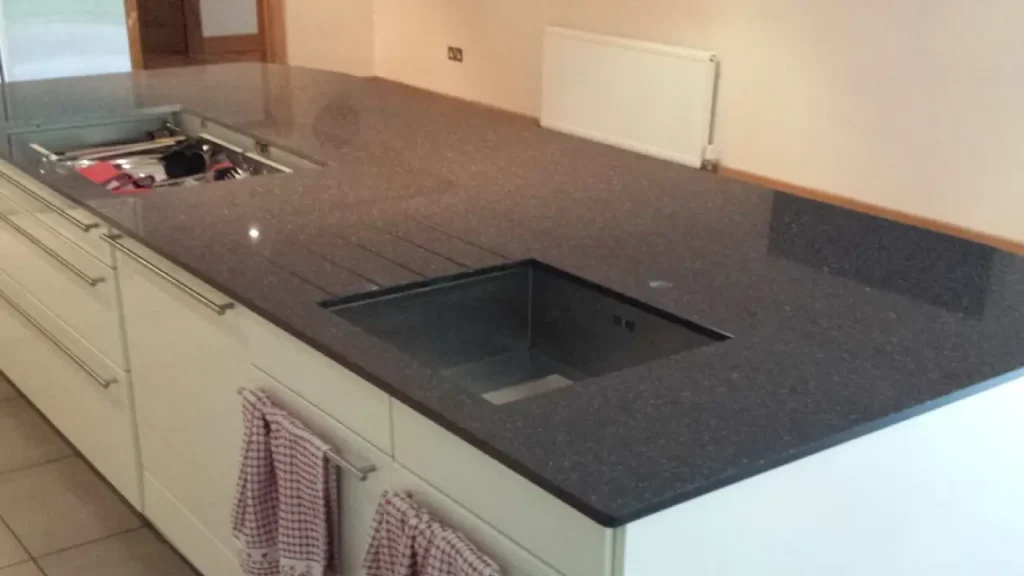
Due to their strength, flexibility, and beauty, composite countertops have grown in popularity within contemporary kitchens and restrooms. Worktops combine natural stone with resin and pigments, providing durability and various design options rather than being constructed entirely from natural materials. If you want to learn more about composite worktops, In that case, this post has everything you’re looking for: types, benefits, types of materials used for making them, installing care needed after installation, as well as any potential disadvantages they might bring.
What Are Composite Worktops?
Composite worktops are engineered surfaces that blend natural materials like quartz, granite, or marble with resins and pigments. This fusion results in a highly durable and versatile surface that mirrors the appearance of natural stone but delivers enhanced performance characteristics. The manufacturing process involves:
- Mixing the raw materials.
- Pressing them into slabs.
- Curing them to achieve the desired hardness and finish.
Types of Composite Worktops
Quartz Worktops:
Made primarily from natural quartz crystals, quartz countertops are known for their durability, non-porous surface, and resistance to scratches and stains. They are also available in various colours and patterns, making them versatile for multiple design styles.
Solid Surface Worktops:
These are made from a blend of acrylic or polyester resins with natural minerals. They offer seamless joints, making them ideal for creating custom shapes and integrated sinks. Solid surface worktops are also repairable and can be sanded to remove scratches.
Recycled Glass Worktops:
Composed of crushed glass pieces mixed with resins, these eco-friendly worktops provide a unique, vibrant look. They are durable and resistant to stains and scratches but may require more maintenance than quartz or solid surface options.
Engineered Marble Worktops:
Made from marble dust and resin, these worktops offer the luxurious look of marble with improved durability and lower maintenance requirements. However, they may still be more prone to staining and etching than quartz.
Advantages of Composite Worktops
- Composite worktops are known for their exceptional durability. The combination of natural stone and resin creates a hard-wearing surface that can withstand the demands of a busy kitchen. Quartz composites, in particular, are resistant to scratches, chips, and stains, making them an ideal choice for long-term use.
- One of the main benefits of composite worktops is their low maintenance requirements. Unlike natural stone surfaces, composites do not need to be sealed regularly. Their non-porous nature means they are resistant to bacteria and stains, making cleaning a breeze. A simple wipe with a mild detergent and water is usually sufficient to keep them looking pristine.
- Composite worktops offer a wide range of aesthetic options. They can mimic the look of natural stone, such as marble or granite, without the associated maintenance issues. Additionally, they are available in various colours and patterns, allowing homeowners to customize their kitchen design to suit their style.
- Solid surface worktops can be installed with invisible seams, creating a sleek and continuous look. This is particularly advantageous for large countertops or kitchen islands, where visible joints can detract from the overall design.
- For environmentally conscious homeowners, recycled glass composite worktops provide an eco-friendly choice. By repurposing post-consumer glass, these worktops reduce waste and promote sustainability in kitchen design.
Installation of Composite Worktops
Professional Installation
While some DIY enthusiasts may be tempted to install composite worktops themselves, professional installation is highly recommended. Proper installation requires specialized tools and expertise to ensure precise cuts, fitting, and finishing. Professional installers can also handle the heavy lifting and ensure the worktops are properly supported to prevent damage.
Custom Fabrication
Composite worktops are often custom-fabricated to fit the specific dimensions and design of your kitchen or bathroom. It allows for greater flexibility in shape, size, and edge profiles. Fabricators can also create integrated sinks and backsplashes for a seamless look.
Installation Process
Composite worktops are popular in modern kitchens and bathrooms due to their strength, versatility, and aesthetic appeal. They combine natural stone with resins and pigments, offering durability and design options. Available in quartz, solid surface, recycled glass, and engineered marble, they are low maintenance, resistant to scratches, and offer extensive customization options.
Conclusion:
Composite worktops are popular in modern kitchens and bathrooms due to their strength, versatility, and aesthetic appeal. They combine natural stone with resins and pigments, offering durability and design options. Available in quartz, solid surface, recycled glass, and engineered marble, they are low maintenance, resistant to scratches, and offer extensive customization options.
