

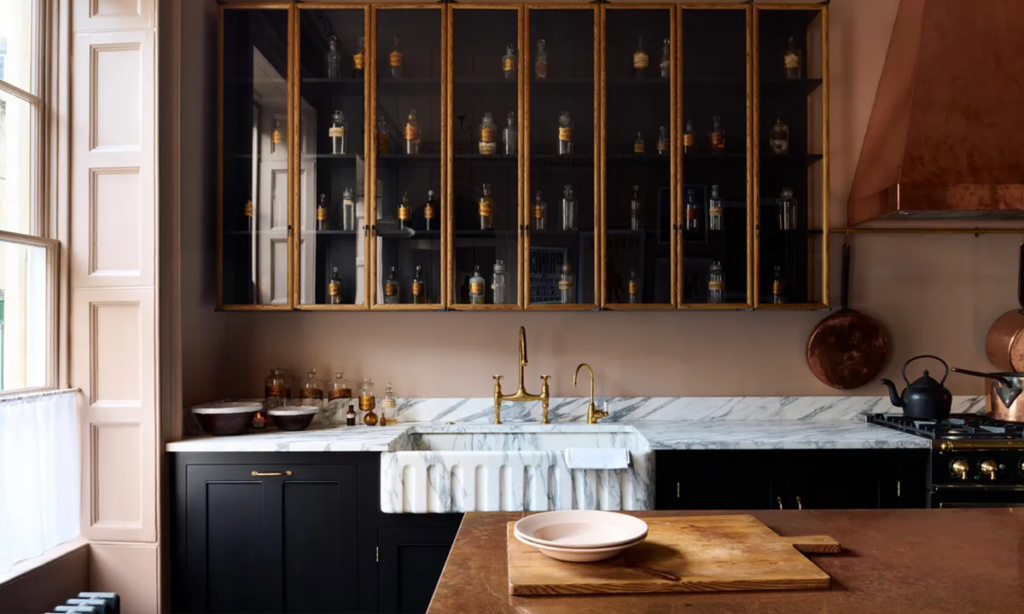
Marble is a type of rock that homeowners and interior designers have adored for its beauty for many years. It started with the incredible sculptures in ancient Greece and has now made its way into top-class kitchen countertops. But despite all of this, some people find themselves perplexed at the sight of this captivating stone. Marble is a classy, sophisticated natural stone. This material is an excellent choice for creating an opulent and elegant look. Marble has been used in baths, floors, mantels, and surrounds for fireplaces, countertops, and other areas of houses, companies, and other structures.
This comprehensive article is designed to demystify Marbles by answering some of the most common Marble FAQs. By the end, you’ll have a solid understanding of Marble’s various types, unique characteristics, and potential applications in your home.
1- What Are the Different Types of Marble?
Marbles, a world of variety and beauty, offers many marble types, each with distinct colors, veining patterns, and characteristics. Let’s explore some of the most popular and intriguing ones:
Carrara Marble:
Known for its white or blue-grey color with soft veining, it is one of the most common and affordable marbles used in countertops and flooring.
Calacatta Marble:
It is a rarer and more luxurious type of Marble, featuring dramatic veining in gold or grey against a white background. It is often used for high-end applications.
Statuario Marble:
Like Calacatta, Statuario marble is known for its bold, distinctive veining, and bright white color, making it a premium choice for luxury designs.
Emperador Marble:
Available in shades of brown with delicate veining, Emperador marble adds warmth and elegance to interiors.
Nero Marquina Marble:
This black Marble with striking white veining often creates bold and sophisticated looks.
2- What are the Advantages of Using Marble in My Home?
- Marble’s natural veining and luxurious appearance create a beautiful appearance that upgrades any space.
- While not as durable as granite, Marble can withstand moderate wear and tear with proper care.
- Marble can handle moderate heat from cookware, but extreme heat sources require caution.
- From classic white to dramatic black and rich green, Marble offers a color palette for various design styles.
- The Marbles feels cool, making it a pleasant choice for countertops, especially in warmer climates.
3- What are the Disadvantages of Using Marble?
- Marble is a softer stone than granite and can scratch more easily with everyday use.
- Acidic liquids like lemon juice, vinegar, or some fruits can etch the surface, leaving dull spots.
- Marble requires regular sealing and cleaning with unique products to maintain beauty and prevent staining and etching.
- Like granite, Marble requires periodic sealing to maintain its stain resistance.
- High-quality Marble can be more expensive than other countertop materials.
4- Is Marble Suitable for Countertops?
Marble is a stunning and versatile material for countertops, but it is essential to focus on Marble care properly. If you cook a lot or are prone to spills, there might be better options than Marble. However, people who don’t mind spending extra time and effort on maintenance can make their kitchen luxurious and timeless with marble countertops.
5- Can I Use Marble in My Bathroom?
Marble can be a stunning addition to bathroom vanities and walls. However, countertops require careful maintenance to prevent etching and staining around sinks and bathtubs. To minimize maintenance concerns, consider using sealed marble tiles for wall applications.
6- How Do I Clean and Maintain Marble Surfaces?
- Regular Cleaning: Wipe up spills promptly with a damp microfiber cloth and mild soap solution.
- Avoid Harsh Chemicals: Do not use abrasive cleaners, bleach, or acidic products, as they can damage the surface.
- Sealing: Marbles requires periodic sealing (every 1-2 years) with a high-quality penetrating sealer to maintain its stain resistance.
- Prevention is Key: To minimize the risk of scratches and etching, use coasters for drinks, cutting boards for food preparation, and placemats for hot dishes.
7- How Can I Repair Scratches or Etching on Marble?
Minor scratches and etching might be buffed out using a poultice made from baking soda and water. For more profound damage, consult a professional stone restoration company.
Tip: Use coasters, cutting boards, and placemats to avoid scratches from glasses, utensils, and hot dishes.
8- Is Marble a Good Investment for My Home?
If you like Marble’s looks and are willing to take care of it, buying it could be considered an investment. However, if you want something that will last a long time and doesn’t require much work, consider some other materials instead.
Last Words:
Due to Marble’s unique colors and veins, Marbles is a famous natural stone used for kitchen countertops and bathrooms. However, it can quickly become dull and requires frequent sealing and maintenance. Despite this, Marble can transform ordinary kitchens into extraordinary ones and can be used for vanity tops and walls. Understanding its characteristics and maintenance requirements helps you decide if Marbles suits your home.
