

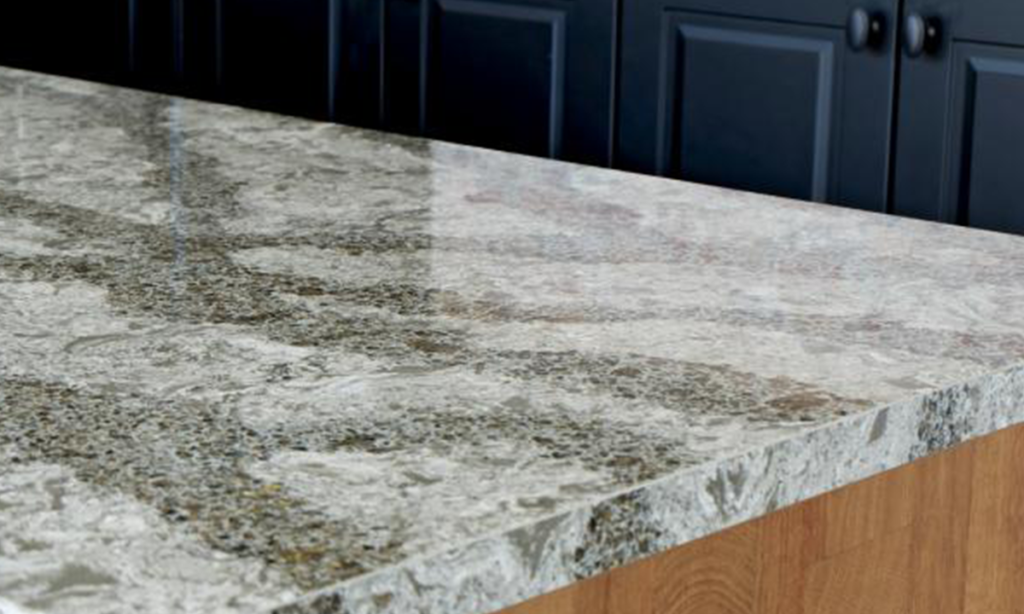
Many homeowners prefer stone countertops for their durability, aesthetic appeal, and timeless elegance but Cutting on Stone Countertops is not a good practice. Granite, marble, quartz, and other natural stones are commonly used for kitchen and bathroom countertops. A frequent question that arises when it comes to these surfaces is whether it’s safe or advisable to cut directly on them. This blog explores the implications of cutting directly on stone countertops, the potential risks involved, and best practices to maintain the integrity and beauty of your stone surfaces.
Understanding the Composition of Stone Countertops
Quartz and other artificial stones, as well as natural stones like granite and marble, are used to create stone countertops. For usage in kitchens and bathrooms, granite and marble are extracted from the soil, cut into slabs, and polished. In contrast, quartz countertops are made of crushed stone combined with pigments and resins to provide a strong, non-porous surface.
Granite
Granite is one of the hardest natural stones, ranking about 6 to 7 on the Mohs scale of hardness. Its durability and resistance to scratches make it a popular choice for kitchen countertops. However, despite its hardness, cutting directly on granite is not advisable for several reasons.
Marble
Marble is a softer stone compared to granite, with a Mohs hardness rating of around 3 to 5. Its elegance and unique veining make it a sought-after material, but its softness makes it more prone to scratching and etching.
Quartz
Quartz countertops are engineered to be even more durable than natural stone. The resins used in their production make them highly resistant to scratches and stains. However, this does not mean they are impervious to damage.
Effects of Cutting Directly on Stone Countertops
Damage to the Countertop Surface
Cutting directly on stone countertops can lead to several types of damage:
- Scratches: Even though granite and quartz are hard, repeated cutting can create scratches over time. Marble, being softer, is even more susceptible to scratches.
- Chips and Cracks: Applying direct pressure with a sharp object can cause chips along the edges or cracks in the surface, particularly if the stone has any inherent weaknesses or fissures.
- Dulling of the Finish: The polished surface of stone countertops can become dull with repeated knife use. The sharp edges of knives can wear away the polish, making the surface less shiny and more prone to stains.
Impact on Kitchen Knives
Cutting directly on stone countertops is not only detrimental to the countertops but also to your kitchen knives:
- Blade Dulling: Stone surfaces are much harder than the metal of your knife blades. Cutting on these surfaces will dull the blades quickly, requiring more frequent sharpening.
- Potential for Damage: Knives can develop nicks or chips in the blade when used on hard stone surfaces, reducing their effectiveness and lifespan.
Proper Cutting Techniques and Tools
To preserve the integrity of your stone countertops, Countertop Care, and maintain your knives in top condition, it is essential to use the proper tools and techniques for cutting in the kitchen.
Use of Cutting Boards
A cutting board is a simple yet effective tool to prevent damage:
- Material: Choose cutting boards made from wood or plastic. These materials are gentle on knife blades and provide a stable surface for cutting.
- Size: Ensure your cutting board is large enough to handle the types of food you typically prepare. A larger board provides more space and reduces the likelihood of accidental cuts on the countertop.
Maintenance of Knives
Proper knife maintenance will also help in preventing damage to your countertops:
- Regular Sharpening: Keep your knives sharp to minimize the force needed to cut through food. A sharper knife is safer and more efficient.
- Proper Storage: Store knives in a knife block, magnetic strip, or drawer insert to protect the blades from damage.
Preventive Measures for Stone Countertops
Sealing
Natural stone countertops, especially granite and marble, benefit from regular sealing. Sealants penetrate the stone and create a barrier that helps prevent stains and scratches.
- Frequency: Granite countertops should be sealed annually, while marble may require more frequent sealing depending on usage.
- Application: Follow the manufacturer’s instructions for applying sealant, ensuring an even coat and allowing proper drying time.
Avoiding Heavy Impacts
Avoid placing heavy items directly on the countertop, and be cautious with heavy pots and pans. Heavy impacts can cause cracks or fissures in the stone, which can be difficult and expensive to repair.
Cleaning
Regular cleaning with mild soap and water helps maintain the surface. Avoid harsh chemicals or abrasive cleaners that can damage the stone.
Conclusion:
While stone countertops are robust and aesthetically pleasing, cutting directly on them is not recommended. The risk of scratches, chips, and dulling, to the countertop and your knives, outweighs any convenience. Using a cutting board, maintaining your knives, and taking preventive measures will ensure your stone countertops remain beautiful and functional for years.
