

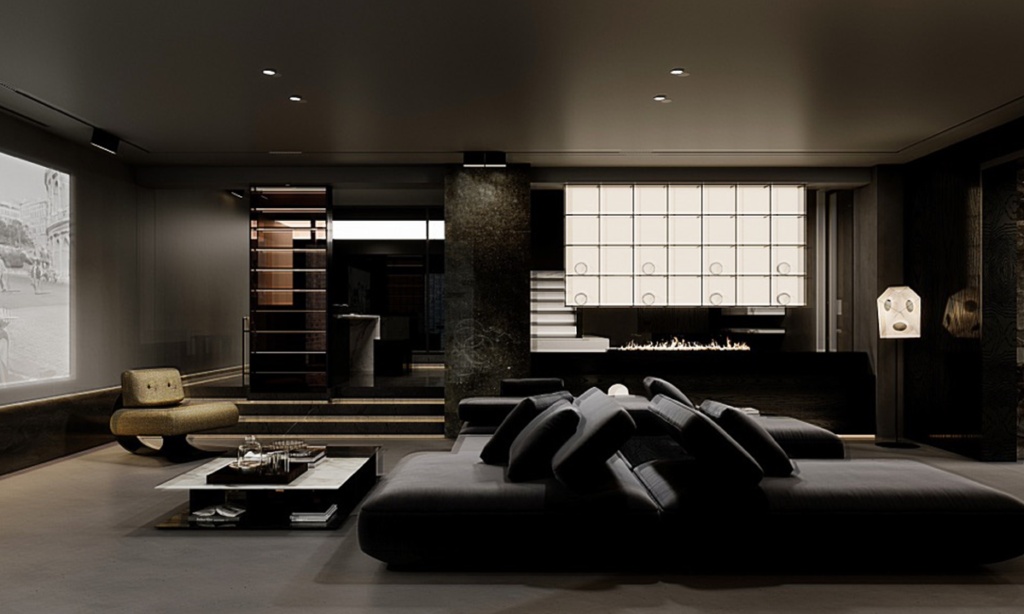
Dark surfaces are becoming more and more popular in dark interior design because they may give rooms a sense of sophistication and contemporary elegance. However, for individuals who are not experienced with this design style, striking a balance between light and dark parts can be difficult. It’s crucial to create a harmonious balance between the two to prevent a space from feeling overly small or dark.
Dark interiors can improve a space’s atmosphere by using the concepts of contrast and balance. Create an elegant, comfortable, and intimate space by selecting the appropriate furniture and lighting options. Come along on this moody interior design trip with us as we explore the elegance and beauty of using darker shades in your living area and how you can use them to create a setting that really expresses what you stand for.
Discovering the Ideal Dark Shade for You
The first step in determining your ideal dark color palette ideas is taking into account. You can make the appropriate decisions if you know how different tints will look on your complexion.
You may reduce the selections and get the ideal dark shade that appeals to you by considering these criteria.
Traditional Black:
- Black is classic and bold, adding instant sophistication. Apply it judiciously for accents, or go all out for a dramatic home theater or library.
The Navy Blues:
- The Navy, which is rich and deep, exudes peace and tranquility. It looks stunning when paired with gold accents for a glamorous look.
Grey Charcoal:
- Charcoal greys are a flexible option that manages to be approachable while adding a hint of contemporary edge. Depending on your style, they may be dressed up or down and look great in practically every setting.
Earthy Greens:
- Consider using rich greens like hunter or emerald, which arouse feelings of the natural world and establish a grounded ambiance.
Berries and Plums:
- Rich jewel tones give a room coziness and grandeur. It is ideal for establishing an opulent and welcoming ambiance.
Understanding the Allure of Black Surfaces
Let’s explore the appeal of dark surfaces before getting into the details. There are many benefits of dark surfaces. Deep blues, rich charcoals, and striking blacks are examples of dark colors that can:
Establish Contrast:
- Lighter parts are made to stand out and add visual appeal by the stark contrast that dark surfaces create.
Add Depth:
- They can give the impression of layers and sophistication in a space.
Evoke Mood:
- Dark shades frequently produce cozy, intimate environments.
Exude Luxurious Feel:
- When done well, dark surfaces can create a lavish, high-end atmosphere in a room.
Begin Small: Gradually Add Dark Elements
It’s best to start dark surfaces modestly when employing dark surfaces for the first time. This enables you to become at ease with the appearance and texture of darker components in your room without having to do a major redesign. Here are some ideas for progressively introducing dark colors:
Wall Accents:
- Pick one wall in the space to paint a deep hue. By doing this, a focus point is created without taking up too much room.
Pieces of furniture:
- Add dark furnishings to your space, such as a charcoal coffee table, a black sofa, or deep blue dining chairs.
Accessories:
- For a dramatic touch, incorporate artwork, carpets, or dark throw cushions.
Light and Dark Balance: Establishing Contrast
Balance is essential for using dark surfaces effectively. A very dark room can feel small and uninviting, yet black surfaces can really pop when they are contrasted with lighter accents. Here’s how to strike this balance:
Bright Ceilings and Walls:
- Keep the walls and ceilings light if your furniture or floors are dark to avoid making the room feel overly big.
Natural Lighting
- Make the most of natural light by adding skylights or wide windows. Moreover, mirrors can reflect light and increase the room’s perceived brightness.
Light-Weight Fabrics:
- To counterbalance dark floors and furniture, use lighter textiles for upholstery, pillows, and drapes.
Adding dimension to textures through play
Your best buddy when dealing with dark surfaces is texture. Dark hues don’t have to feel boring and lifeless when there are variations in texture. Here are some suggestions:
Matte vs. glossy:
- For a dynamic effect, combine glossy and matte textures. Consider a glossy black tile floor paired with a matte black wall.
Natural Materials:
- Use organic elements to create warmth and intrigue, such as metal, stone, and wood. A stone countertop can create a striking contrast for a dark wood table.
Patterns and Textiles:
- To break up the darkness, use patterned and textured textiles. Consider patterned blankets, braided carpets, and velvet cushions.
Dark Kitchens: Bold and Elegant
Dark kitchens are becoming more and more popular because of their powerful statement-making power and modern elegance. To do this, consider light counters and backsplashes to blend with dark cabinetry. For an opulent touch, add gold or brass hardware. A well-lit kitchen island can serve as a central point, and recessed, pendant, and under-cabinet lighting are all necessary to keep the area airy and useful.
Cozy Living Rooms: Accepting the Dark Side
To create a cozy living room, balance dark walls with lighter furniture and ample lighting. Light throws and pillows soften the style, while a black coffee table or sofa might help to anchor the space. If your fireplace is a sophisticated centerpiece, think about painting it a dark hue or adding dark tiles or stones.
Elegant Bedrooms: Establishing a Haven
To create an opulent haven in a dark bedroom. Use a dark upholstered headboard, lighter bedding, dark walls, and a range of textures, such as velvet cushions, silk bedspreads, and wool rugs. With their delicate lighting and lighter accents, these components create a cocoon-like ambiance that makes the space feel like an opulent getaway.
Bathrooms: Dark and Daring
Dark bathrooms are chic and sophisticated, achieved by using dark tiles for floors or walls and balancing them with lighter fixtures and accessories. A dark vanity with a light countertop and backsplash is a striking feature, while large mirrors and ample lighting prevent the space from feeling too closed in.
Halls and Front Doors: Creating a First Impression
The best places to experiment with dark surfaces to make a strong first impression are hallways and entryways. With light flooring and decorations, a dramatic entrance can be created with dark walls. To maintain the area feeling welcoming, make sure there is enough lighting, such as a chandelier and wall sconces. Using light frames to create contrast and highlight favored pieces, dark walls help make the artwork pop.
Conclusion
You may obtain a sleek and fashionable look and improve the overall atmosphere of your room by experimenting with dark surfaces in your moody interior design. Makeovers with accent walls, dark furniture, or décor items can have a significant effect. Also, adding materials with textures like velvet, leather, or metal can improve the space’s depth and richness even further. You can create a visually beautiful, luxurious, and comfortable design by carefully arranging these pieces. Do not be afraid to welcome the darkness into your house; it may make your room a chic and comfortable haven that you will like returning to.
