

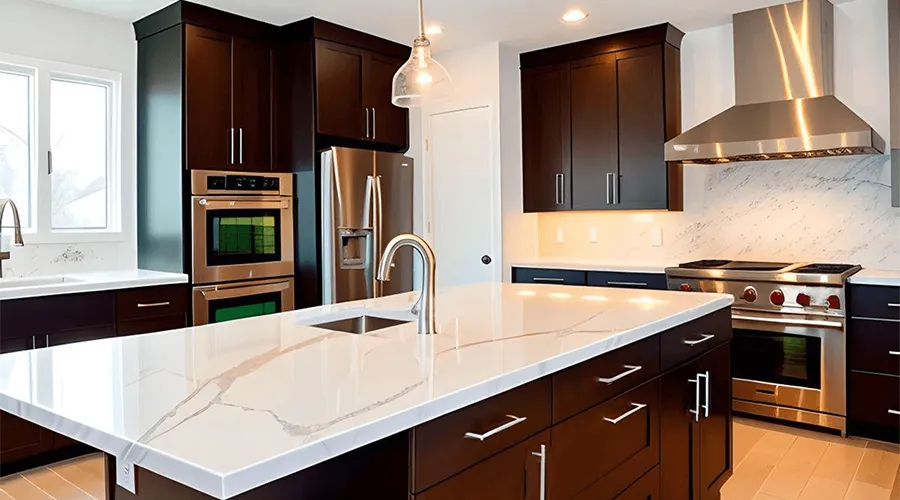
In the realm of kitchen renovations and interior design, quartz countertops have garnered immense popularity in recent years. With their sleek appearance, durability, and low maintenance, it’s no wonder why homeowners are flocking to incorporate quartz into their homes. However, amidst the buzz surrounding quartz countertops, several myths and misconceptions deserve to be addressed. Let’s delve into the truths and myths surrounding quartz countertops to help you make an informed decision for your next kitchen upgrade.
Myth #1: Quartz Countertops Are Not Natural Stone
This is a partial truth. Quartz countertops are not mined as a single slab of stone like granite or marble. Instead, they are an engineered material. The primary component is crushed natural quartz (typically around 90-93%), which is then bound together with a resin and pigment mixture. This process creates highly Durable Kitchen Surfaces and non-porous surfaces that retain the beauty of natural stone with some additional practical benefits.
Truth: Quartz Offers the Look of Natural Stone with Enhanced Performance
Quartz countertops come in a vast array of colours and patterns, mimicking the stunning veining and variations found in natural stone. However, unlike natural stone, quartz offers greater uniformity in colour and pattern throughout the slab. Additionally, the engineered nature of quartz makes it highly resistant to scratches, stains, and chipping, surpassing the performance of many natural stones in these areas.
Myth #2: Quartz and Quartzite Are the Same Thing
While the names sound similar, these are distinct materials. Quartzite, like granite and marble, is a natural stone mined from the earth. It is a metamorphic rock formed from sandstone that experiences extreme heat and pressure. Quartzite offers a beautiful, translucent appearance and exceptional durability, but it requires sealing due to its porous nature.
Truth: Quartz is Engineered for Easy Care, While Quartzite Requires Upkeep
Quartz countertops boast a non-porous surface, eliminating the need for sealing – a significant advantage over natural stone options like quartzite. This makes them highly resistant to stains and bacteria, requiring minimal maintenance. Simply wipe them down with a mild soap and water solution to keep them looking their best.
Myth #3: Quartz Countertops Will Etch Over Time and Are Hard to Clean
While exceptionally resistant to stains, quartz surfaces can be susceptible to etching if exposed to harsh chemicals or acidic substances like lemon juice or vinegar for extended periods. However, these etch marks are typically white and often disappear when using a poultice or a stone etch remover. Quartz countertops are generally easy to clean with everyday cleaning products, making them a low-maintenance choice.
Truth: Routine Care and Avoiding Harsh Chemicals Can Prevent Etching
By using cutting boards and wiping up spills promptly, you can minimize the risk of etching on your quartz countertops. Additionally, using coasters and trivets for hot pots and pans will further protect the surface. For cleaning, avoid harsh abrasives or bleach, which can damage the surface. Opt for gentle cleaners specifically formulated for quartz countertops.
Myth #4: Quartz Doesn’t Offer a Lot of Variety
This misconception is a thing of the past. Manufacturers have embraced innovation, offering a vast spectrum of colours, patterns, and textures to suit any design aesthetic. From classic whites and greys to bold statement colours and intricate veining, you’ll find a quartz countertop that complements your unique style.
Truth: Endless Design Possibilities with Quartz Countertops
The beauty of quartz lies in its versatility. It can mimic the look of natural stone like marble or granite with the added benefit of enhanced durability and easier maintenance. Additionally, manufacturers offer textured finishes like leathered or honed, adding a touch of sophistication and a unique visual appeal.
Myth #5: Quartz Countertops Are Sensitive to Heat
While direct exposure to extremely high heat can damage any countertop surface, quartz is generally heat resistant for everyday cooking tasks. However, using hot pots and pans directly on the surface is not recommended. Heat pads or trivets are essential to protect your countertops from potential damage caused by excessive heat.
Truth: Use Common Sense Heat Protection for Quartz Countertops
With proper care, countertops can withstand everyday cooking activities. However, it’s always a good practice to use hot pads or trivets for extremely hot cookware to avoid any potential for scorching or cracking the surface.
Conclusion:
In conclusion, quartz countertops offer a winning combination of looks, durability, and low maintenance to make them an excellent choice for kitchen renovation. Busting common myths and understanding the truth behind countertops, homeowners can confidently embrace this versatile material for their next home improvement project. Whether you’re looking for a sleek modern design or a classic timeless look, quartz countertops are sure to exceed your expectations.
