

Tips
Why is it necessary to have granite maintenance? When and how to clean granite? Granite is a classy and classic material that enhances any space’s elegance. Its natural beauty and longevity make it a favorite choice for accent walls, flooring, and countertops. Granite needs appropriate care and maintenance To keep its gorgeous appearance. We’ll walk you through all the granite maintenance recommendations in this guide, from cleaning to sealing, to ensure your stone stays flawless.
Why It’s Important to Maintain Granite
If not properly maintained, granite can lose its shine despite its durability and strength, which are renowned. Regular use, contact with liquids, and dirt can tarnish its look. You can prolong the beauty and durability of your granite and keep its gorgeous polish intact for many years by following a regular granite care routine regimen.
An Understanding of Granite’s Requirements
Despite its unbreakable exterior, granite is porous and can eventually become dull, stained, or scratched like any other natural stone. Because of this, adhering to a regular granite cleaning tips routine is crucial. The proper method is to avoid using harsh chemicals that could harm the stone’s surface and to clean and seal the stone.
Daily Granite cleaning tips
You want to make daily cleaning as easy as possible. Avoid using abrasive or acidic cleaners, which can etch the stone’s surface. Use a more moderate approach.
How to Clean Granite Every Day:
First Step:
- Use a bar of mild dish soap and warm water on a soft cloth or sponge.
Step two:
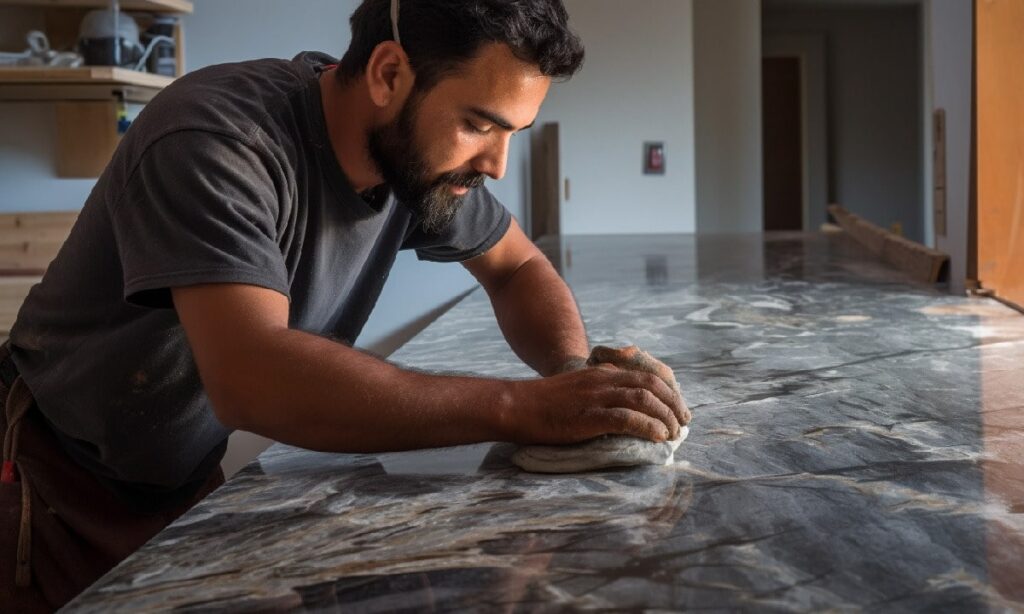
- When wiping off a surface, use a circular motion to remove dirt or grime.
Step Three:
- Dry with a fresh microfiber cloth to avoid water stains and streaks.
These easy steps won’t damage your granite and will help keep it shining.
The Significance of Granite Sealing
Sealing is one of the most crucial parts of granite upkeep. Because granite is porous, liquids can seep through and leave stains if the stone isn’t sealed perfectly. By creating a layer of protection, sealing allows liquids to remain on the surface longer, allowing you to wipe up accidents before they cause irreversible harm.
How Often Is Granite Should Be Sealed?
Light use:
Seal after two to three years.
Heavy use:
To guarantee the best protection, seal once a year.
Test-taking tips:
To explore if your granite needs to be resealed, use the water test, which involves dropping a few water droplets across the surface. You have not broken your seal if the water beads up. It’s time to reseal if water seeps into the stone.
What to Do in the Event of an Accident for Stain Removal
Spills can happen even with careful handling. If granite is not cleaned, liquids such as wine, coffee, oil, and others can quickly discolor it. It’s imperative to move quickly.
How to Remove Stains from Granite:
First step:
- Using a paper towel, blot the stain; do not wipe, as this can cause the stain to spread.
Second Step:
- Make a paste using baking soda, water, or a stone cleaner with a pH balance.
Step Three:
- After applying the cleanser to the stain, give it a full day to sit.
Step Four:
- After rinsing the area with water, wipe off the cleanser.
You might need to hire an expert or buy a stain remover if the stain is not removed, especially for granite surfaces.
Avoiding Chips and Scratches
A hard stone like granite can still get damaged. Taking preventative actions can help avoid chips and scratches.
How to Prevent Scratches on Granite:
Never cut straight onto your granite counters; always use cutting boards.
Utilize trivets and coasters:
Place coasters under drinks and trivets under hot pots to prevent heat and scratches.
To keep the surface free from chips and dents, do not drag heavy things across it.
You can keep your granite’s surface smooth and unscratched by taking these safety measures.
Guidelines for Optimal Granite Maintenance
The secret to keeping granite looking beautiful is to follow a regular upkeep regimen. Below is a summary of the recommended practices to adhere to:
Weekly Maintenance:
- Use a pH-neutral cleanser to clean.
Check for any chips, scratches, or cracks.
Monthly Maintenance:
- To preserve its shiny sheen, use a granite-safe polish.
Annual Maintenance:
- Test the water to see whether resealing is necessary.
For deep cleaning and sealing, think about working with an expert.
Preventing Typical Errors in Granite Cleaning
When working with granite, you can easily make mistakes if you lack experience with the material. Here’s what you should avoid:
Steer clear of citrus-based cleansers and vinegar:
- The acidity can dissolve the stone, increasing its capacity to break it down.
Steer clear of rough scrub pads:
- Your granite may get scratches from these.
Resolve spills immediately:
- Even water can create discoloration if kept for an extended period, especially on unsealed granite.
Granite and Heat Resistance: Essential Information
Granite’s resilience to heat is one of its better features, but it’s still advisable to use caution.
Advice for Keeping Granite Safe from Heat:
- Under hot pots, always use heat pads or trivets.
- Anything hotter than 120°F should not be placed directly on the surface, as it could cause thermal shock and fissures.
Conclusion:
Your granite surfaces can last for decades if you take good care of them. You can ensure your stone looks as good as the day it was installed by using these granite cleaning tips and creating a regular program for granite maintenance. To preserve granite’s natural brilliance and beauty, don’t forget to clean it every day, seal it frequently, and clear up accidents quickly.
